
Fastest Football Players in the World: The Speed Kings of Modern Football
The Fastest Football Players have changed the way modern football is played. Speed is no longer just an advantage—it has become a game-changing weapon. Whether breaking through defensive…
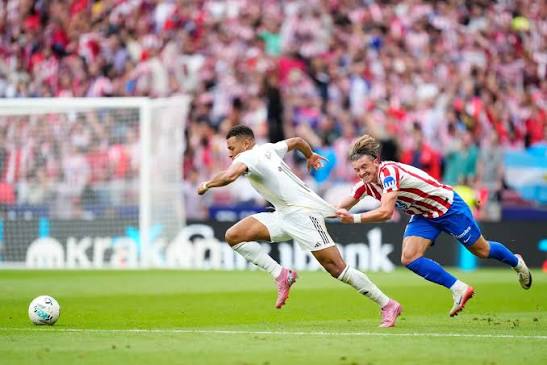
The Fastest Football Players have changed the way modern football is played. Speed is no longer just an advantage—it has become a game-changing weapon. Whether breaking through defensive lines, tracking back to stop counterattacks, or creating space on the wings, the fastest football players can decide matches in seconds.
Today’s elite footballers combine explosive acceleration, agility, and technical ability, making them some of the most exciting athletes in world sport. Here are some of the fastest football players in the world and why their pace makes such a difference. You can also explore additional football content and updates at Velki Pro Agent.
Why Speed Matters in Modern Football
The Fastest Football Players give their teams a tactical advantage. Quick attackers can exploit space behind defenders, while rapid full-backs recover possession and launch counterattacks.
Modern clubs also use GPS tracking and performance analytics to measure sprint speed, acceleration, and distance covered during matches. These insights help coaches maximize player performance and tactical planning.
Fastest Football Players in the World
Kylian Mbappé
Kylian Mbappé is widely regarded as one of the fastest football players in the world. Clocked at approximately 38 km/h during competitive matches, his explosive acceleration and finishing ability make him one of football’s most dangerous forwards.
Micky van de Ven
Tottenham Hotspur defender Micky van de Ven holds the Premier League’s recorded speed record with a sprint of 37.38 km/h. His incredible recovery pace has transformed Tottenham’s high defensive line.
Kyle Walker
Even in the later stages of his career, Kyle Walker remains one of football’s quickest defenders. His pace has been a major reason for his success in both domestic and international competitions, helping him neutralize some of the world’s fastest attackers.
Alphonso Davies
Nicknamed “The Roadrunner,” Alphonso Davies combines elite speed with exceptional stamina. Whether attacking down the left flank or making defensive recovery runs, his pace is one of Bayern Munich’s biggest strengths.
Vinícius Júnior
Vinícius Júnior uses explosive acceleration and close ball control to beat defenders consistently. His pace makes him a constant threat in one-on-one situations for both Real Madrid and Brazil.
Erling Haaland
Erling Haaland proves that size does not limit speed. Standing over 1.9 meters tall, the Norwegian striker regularly reaches sprint speeds above 36 km/h while maintaining remarkable strength and finishing ability.
Achraf Hakimi
Achraf Hakimi is among the fastest full-backs in world football. His overlapping runs, recovery speed, and attacking contribution have made him a key player for both club and country.
Rafael Leão
The AC Milan winger is known for his effortless acceleration and powerful runs down the left wing. His ability to carry the ball at high speed makes him one of Europe’s most dangerous attackers.
What Makes the Fastest Football Players So Effective?
The Fastest Football Players possess much more than raw sprint speed.
Key qualities include:
- Explosive acceleration
- Quick changes of direction
- Ball control at full speed
- Excellent balance
- High endurance
- Tactical awareness
Players who combine these attributes become far more difficult for defenders to stop.
How Clubs Measure Player Speed
Elite football clubs rely on advanced technology to monitor player movement.
Common tools include:
- GPS performance trackers
- AI-powered computer vision
- Optical tracking cameras
- Wearable performance sensors
- Match analytics software
These systems record sprint speed, acceleration, recovery runs, and total distance covered during matches, helping clubs optimize player development and reduce injury risks.
The Future of Speed in Football
As sports science continues to evolve, speed training is becoming increasingly specialized.
Strength conditioning, biomechanics, AI analysis, and nutrition programs help players maximize their athletic performance while maintaining technical quality. Future football stars are expected to become even faster without sacrificing endurance or decision-making.
If you enjoy football rankings, player analysis, and sports insights, visit Velki Blogs for more articles.
Conclusion
The Fastest Football Players continue to redefine modern football with their incredible athleticism. From Mbappé’s explosive bursts to Van de Ven’s record-breaking recovery runs, speed remains one of the game’s most valuable assets.
As technology and training methods improve, future generations of footballers are likely to become even quicker, making the sport faster and more exciting than ever before.
Frequently Asked Questions
Who is the fastest football player in the world?
Kylian Mbappé is widely regarded as the fastest football player, having reached speeds of around 38 km/h in competitive matches.
Who is the fastest defender in football?
Micky van de Ven currently holds the Premier League speed record at 37.38 km/h.
Does speed guarantee success in football?
No. Speed is a valuable asset, but technical ability, decision-making, positioning, and teamwork are equally important.
How do football clubs measure sprint speed?
Professional clubs use GPS trackers, optical tracking systems, and AI-powered analytics to measure player speed and movement.
সম্পর্কিত আর্টিকেল
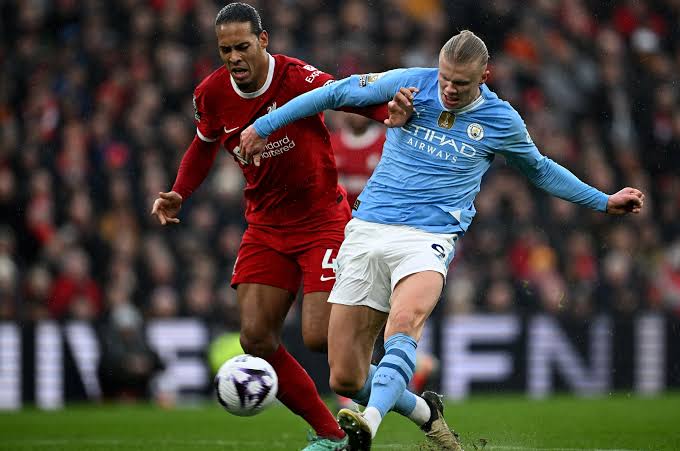
Man City vs Liverpool Prediction & Preview: Key Battle to Watch
Man City vs Liverpool is one of the biggest fixtures of the 2026/27 Premier League season, with the…
আর্টিকেল পড়ুন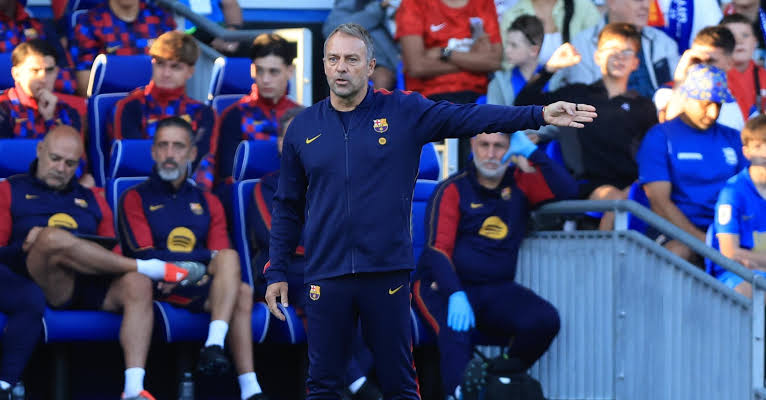
Hansi Flick Reaction to Hamza Abdelkarim’s Birmingham Brace
Hansi Flick Reaction to Hamza Abdelkarim’s impressive first-team debut was overwhelmingly positive after the young striker scored twice…
আর্টিকেল পড়ুন
US Open Men’s Final 2026: Zverev vs Shelton Preview & Time
The US Open men’s final 2026 is set: top seed Alexander Zverev meets No. 8 seed Ben Shelton…
আর্টিকেল পড়ুনসব ব্লগ দেখুন
টিপস, গাইড, স্ট্র্যাটেজি — পেশাদার প্লেয়ারদের লেখা আরও আর্টিকেল।